


As certificate lifespans shrink, modern PKI strategies require solutions that scale, integrate and stay ahead of emerging threats
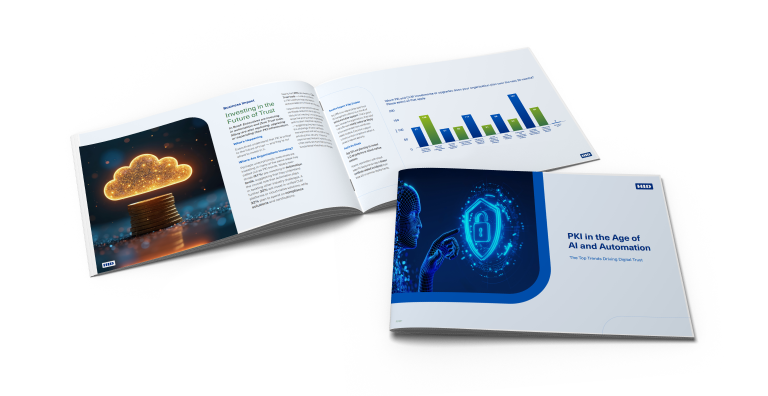
HID has released a new market study revealing how organizations are adapting their Public Key Infrastructure (PKI) strategies to meet the demands of AI, automation and post-quantum computing. Based on insights from over 300 IT leaders across the United States and Europe, the report outlines key trends, risks and innovations shaping the future of digital trust.
Automation Becomes A Top Priority
Shrinking certificate lifespans are forcing organizations to rethink how they manage digital certificates. This is especially critical for Transport Layer Security (TLS) certificates, which secure encrypted connections across websites and applications.
With certificate validity expected to drop significantly—from 398 days to just 47 days by 2029—manual management is no longer sustainable.
As a result:
- 67% of organizations are already automating certificate renewals
- 61% plan to invest in PKI automation within the next 24 months
Automation not only reduces human error but also improves scalability, particularly for dynamic environments like IoT ecosystems and AI-driven systems.
PKI-as-a-Service Gains Momentum
PKI-as-a-Service (PKIaaS) is gaining traction as organizations look to reduce infrastructure complexity. It enables seamless lifecycle management—from issuance to revocation—without relying on on-premise systems.
While:
- 76% of organizations use cloud components in their PKI
- Only 23% have fully cloud-based deployments
Large enterprises still favor hybrid models, balancing flexibility with greater control and security.
Compliance Drives PKI Adoption
Regulatory requirements continue to push PKI adoption forward. Frameworks such as:
- GDPR
- Cyber Resilience Act
- NIS2 Directive
- HIPAA
are making compliance a strategic priority.
Key findings include:
- 45% of organizations view compliance as a primary business goal
- 39% track compliance as a key performance indicator
Post-Quantum Cryptography Adoption Lags
The rise of quantum computing presents a serious threat to current encryption models, driving interest in Post-Quantum Cryptography (PQC).
However, adoption remains cautious:
- 12% are actively piloting PQC
- 25% are developing strategies
- 37% are monitoring developments
Larger enterprises—especially those with over 50,000 employees—are significantly more likely to begin PQC experimentation.
AI Agents Introduce New Identity Challenges
AI-driven systems are introducing a new category of identities that must be secured.
The study highlights:
- 34% of organizations see AI agent certificates as a key trend
- Growing need to secure both human-to-AI and AI-to-AI interactions
This reflects a broader shift toward managing trust in increasingly autonomous digital environments.

HID provides trusted identity solutions that enable secure access to physical and digital environments. Its technologies are used globally across industries including government, healthcare, finance and enterprise, helping billions of connected devices and users operate securely.
Internal Links URLs
https://security.world/pki-automation-trends
External Links URLs
https://www.hidglobal.com
Frequently Asked Questions (FAQs)
1. What is PKI and why is it important?
Public Key Infrastructure (PKI) is a framework that manages digital certificates and encryption keys to secure communications and verify identities online.
2. Why is automation becoming critical in PKI?
Shorter certificate lifespans and growing system complexity make manual processes inefficient and error-prone, increasing the need for automation.
3. What is PKI-as-a-Service (PKIaaS)?
PKIaaS is a cloud-based model that allows organizations to manage certificates without maintaining on-premise infrastructure.
4. What is Post-Quantum Cryptography (PQC)?
PQC refers to cryptographic methods designed to resist attacks from future quantum computers.
5. How do AI agents impact PKI?
AI agents require their own identities and certificates, creating new security challenges for authentication and trust management.